
What Is a GLP-1 Meal Plan?
A GLP-1 meal plan is a structured way of eating designed to naturally support the hormone glucagon-like peptide-1 (GLP-1) in the body.
GLP-1 plays a key role in:
- Regulating appetite
- Improving insulin response
- Slowing digestion
- Stabilizing blood sugar
This approach is especially popular among:
- Individuals using GLP-1 medications like semaglutide or tirzepatide
- People with insulin resistance or prediabetes
- Those seeking sustainable fat loss
Unlike restrictive diets, a GLP-1 meal plan focuses on nutrient timing, protein distribution, fiber intake, and portion balance.
Why GLP-1 Is Trending in 2026
GLP-1 medications have transformed obesity and diabetes management. However, experts now emphasize that food choices significantly influence outcomes.
A structured GLP-1 meal plan:
- Enhances medication effectiveness
- Reduces nausea and digestive discomfort
- Prevents muscle loss
- Supports long-term metabolic health
Nutrition is no longer optional — it’s foundational.
How a GLP-1 Optimized Meal Works
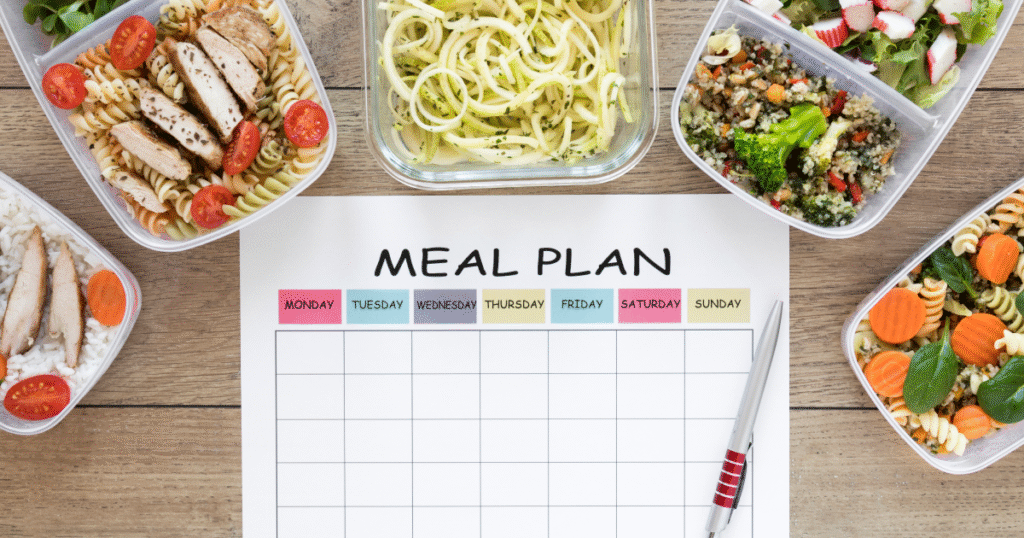
A balanced GLP-1 friendly plate helps:
- Increase satiety (feel full longer)
- Reduce cravings
- Prevent blood sugar spikes
- Maintain steady energy
- Support fat loss without extreme restriction
The goal is not to eat less — but to eat strategically.
Key Components of a GLP-1 Meal Plan
1. High-Quality Protein (20–35g per meal)
Protein slows gastric emptying and preserves lean muscle mass.
Best Sources:
- Eggs
- Greek yogurt
- Lentils
- Tofu
- Paneer
- Chicken breast
- Fish
- Protein-rich smoothies
2. Fiber-Rich Foods (25–35g daily target)
Fiber naturally stimulates GLP-1 release in the gut.
Best Sources:
- Oats
- Chia seeds
- Flaxseeds
- Broccoli
- Spinach
- Beans
- Berries
- Psyllium husk
3. Healthy Fats (Moderate portions)
Healthy fats improve satiety and reduce inflammation.
Sources:
- Avocado
- Nuts
- Seeds
- Olive oil
- Fatty fish
4. Low-Glycemic Carbohydrates
Prevent sudden blood sugar spikes.
Sources:
- Quinoa
- Brown rice
- Sweet potatoes
- Millets
- Whole fruits
- Whole legumes
Complete 7-Day GLP-1 Meal Plan

Day 1
Breakfast: Greek yogurt + chia seeds + berries
Snack: Apple + almonds
Lunch: Grilled tofu + quinoa + mixed vegetables
Snack: Boiled egg
Dinner: Lentil soup + sautéed spinach + small brown rice
Day 2
Breakfast: Vegetable omelet + whole grain toast
Snack: Cottage cheese + cucumber
Lunch: Chickpea salad + olive oil dressing
Snack: Handful walnuts
Dinner: Grilled salmon + broccoli + sweet potato
Day 3
Breakfast: Protein smoothie (spinach + protein powder + flaxseed)
Snack: Roasted chana
Lunch: Paneer bhurji + millet roti
Snack: Greek yogurt
Dinner: Mixed vegetable soup + tofu stir fry
Day 4
Breakfast: Oats + chia + peanut butter
Snack: Pear + pumpkin seeds
Lunch: Rajma + small brown rice + salad
Snack: Buttermilk
Dinner: Grilled chicken + sautéed zucchini
Day 5
Breakfast: Scrambled eggs + avocado
Snack: Protein yogurt
Lunch: Lentil salad bowl
Snack: Mixed nuts
Dinner: Baked fish + steamed beans
Day 6
Breakfast: Besan chilla + curd
Snack: Berries
Lunch: Tofu quinoa bowl
Snack: Boiled corn (small portion)
Dinner: Vegetable khichdi (high protein version)
Day 7
Breakfast: Smoothie bowl with seeds
Snack: Almond butter + apple
Lunch: Grilled paneer + salad
Snack: Roasted seeds mix
Dinner: Clear soup + sautéed mushrooms
7 Detailed GLP-1 Friendly Recipes
1. High-Protein Greek Yogurt Bowl
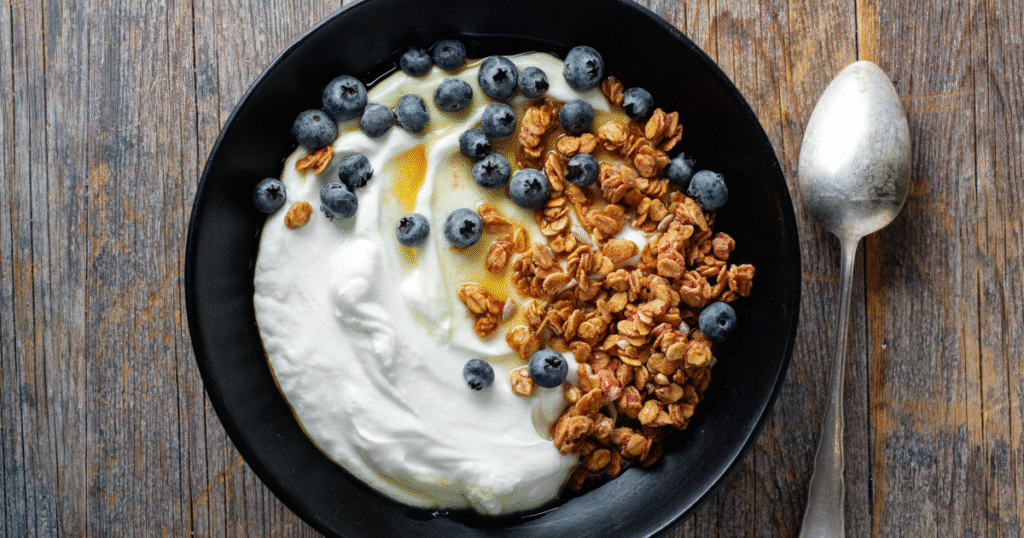
Ingredients:
- 1 cup Greek yogurt
- 1 tbsp chia seeds
- ½ cup berries
- 5 almonds
Benefits: High protein + fiber → long-lasting fullness.
2. Tofu Quinoa Power Bowl
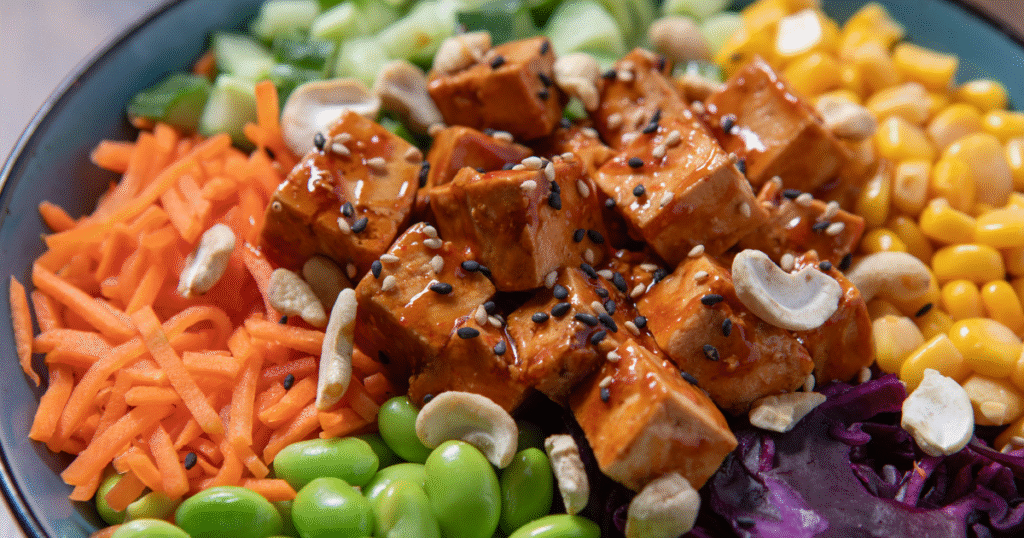
Ingredients:
- 100g grilled tofu
- ½ cup cooked quinoa
- Mixed vegetables
- 1 tsp olive oil
Why It Works: Balanced protein + low GI carbs.
3. Lentil Spinach Soup

Ingredients:
- ½ cup lentils
- Spinach
- Garlic
- Turmeric
Benefits: High fiber, easy digestion.
4. Besan Chilla (High Protein Version)

Ingredients:
- Besan
- Grated vegetables
- Curd on side
Supports steady glucose release.
5. Protein Smoothie for Appetite Control
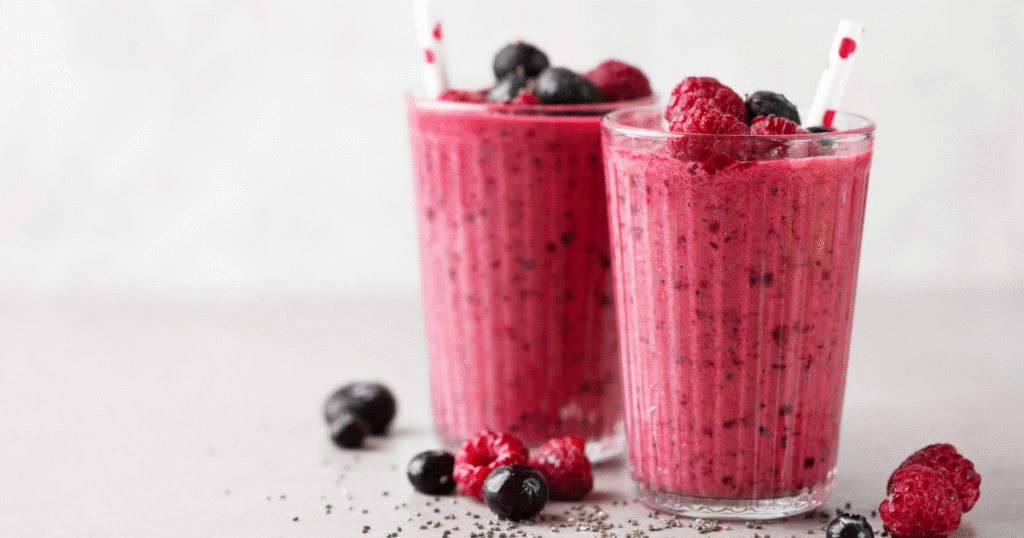
Ingredients:
- Spinach
- Protein powder
- Flaxseed
- Almond milk
Ideal for nausea-sensitive mornings.
6. Rajma Balanced Bowl
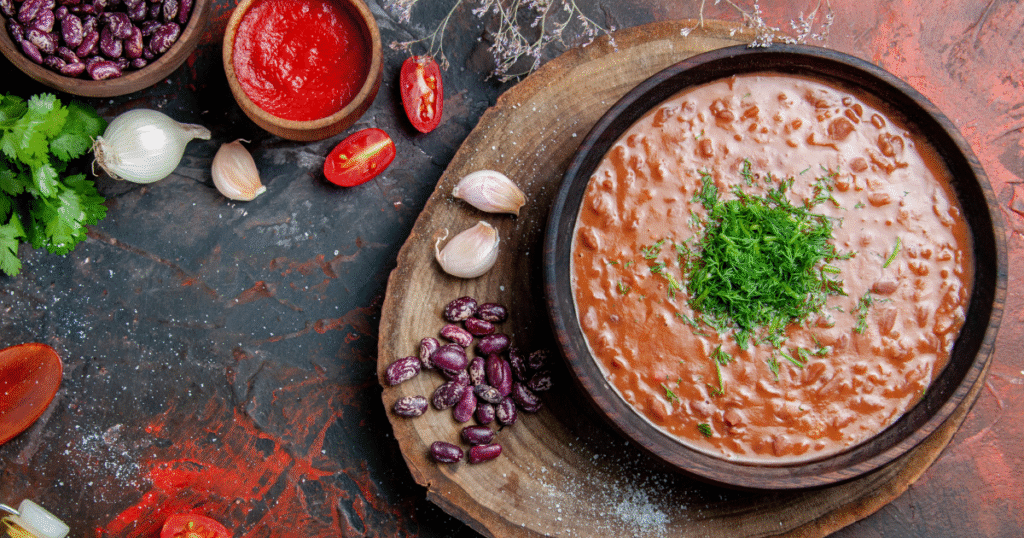
High fiber + plant protein for satiety.
7. Baked Salmon with Greens
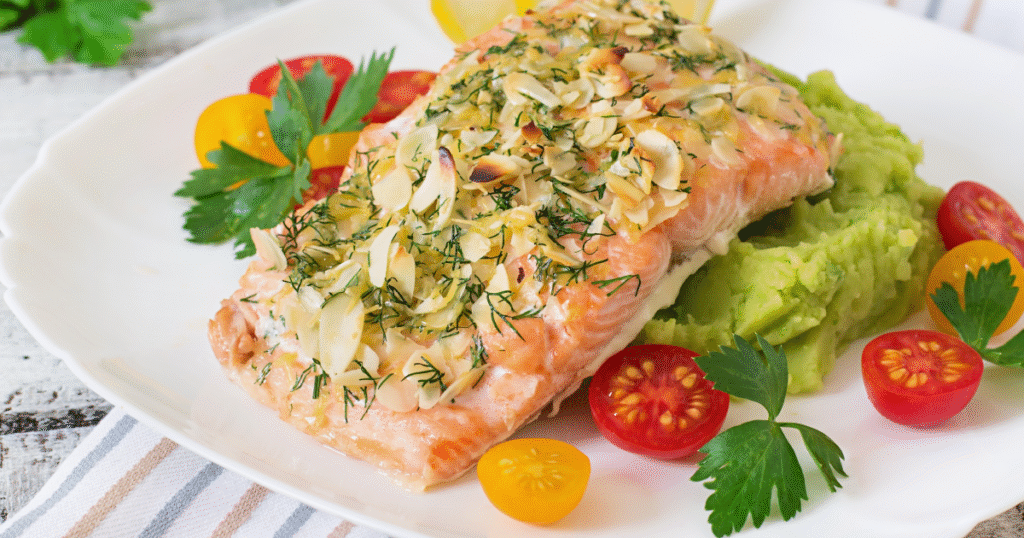
Rich in omega-3 for inflammation control.
Comprehensive Food List
✅ Foods to Eat
Proteins: Eggs, fish, chicken, tofu, paneer, lentils, Greek yogurt
Fiber Sources: Chia, flax, oats, beans, vegetables, berries
Healthy Fats: Avocado, nuts, seeds, olive oil
Carbs (Low GI): Millets, quinoa, sweet potatoes, brown rice
❌Foods to Avoid
- Refined sugar
- White bread
- Sugary drinks
- Ultra-processed snacks
- Deep-fried foods
- Large portions of refined carbs
- High-fat fast food
Comparison: Regular Meal vs GLP-1 Meal
| Factor | Regular High-Carb Meal | GLP-1 Optimized Meal |
| Satiety | Short-term fullness | Long-lasting fullness |
| Blood Sugar | Spikes quickly | Stable levels |
| Cravings | Higher | Reduced |
| Energy | Crash after 2-3 hrs | Steady energy |
| Weight Impact | May promote fat storage | Supports fat loss |
| Digestive Comfort | May cause bloating | Easier digestion |
Case Study: 12-Week GLP-1 Structured Plan
Profile: Anita, 38, PCOS + prediabetes
Strategy:
- 30g protein per meal
- 25g+ fiber daily
- Reduced refined sugar
- 10-minute post-meal walks
Results:
- 7.8 kg weight reduction
- HbA1c improved from 6.3 → 5.7
- Fewer cravings
- Improved energy
Her words: “I felt in control of food for the first time.”
Who Should Follow a GLP-1 Meal Plan?

- People on GLP-1 medications
- Individuals with insulin resistance
- Those with PCOS
- Pre-diabetic individuals
- Anyone struggling with cravings
Expert Tips for Best Results
- Eat slowly
- Stop at 80% fullness
- Hydrate between meals
- Spread protein evenly
- Prioritize sleep
Frequently Asked Questions
1. What is the main goal of a GLP-1 meal plan?
To stabilize blood sugar and support appetite control.
2. Can I follow it without medication?
Yes.
3. How much protein per meal?
20–35 grams depending on body weight.
4. Are carbs allowed?
Yes — choose low-glycemic sources.
5. Can vegetarians follow it?
Absolutely.
6. Does it reduce medication side effects?
Smaller protein-focused meals may help reduce nausea.
7. When can results be seen?
Many notice appetite control within 1–2 weeks.
Medical Disclaimer
This blog is for informational and educational purposes only.
It does not replace professional medical advice, diagnosis, or treatment.
Individuals with diabetes, PCOS, gastrointestinal conditions, kidney disease, or those taking GLP-1 medications should consult a qualified healthcare provider or registered dietitian before making significant dietary changes.
Nutritional needs vary based on medical history, medications, and metabolic health.
Final Thoughts
A GLP-1 meal plan is not a fad diet.
It is a science-backed nutritional structure that works with your body’s hormones — not against them.
When combined with movement, mindful eating, hydration, and sleep, it supports sustainable fat loss and long-term metabolic health.
Smart structure. Better hormones. Sustainable results.